Agree on collection
Work with hotels and commercial sites to identify suitable used bottles, storage space and collection arrangements.
Connecting discarded glass, the people who handle it, and the communities that can give it a second life.
Collection and partner figures: project-reported, 2024–2026. Student reach: estimated across the two-year education initiative. Survey: Huangcun, 12 June 2026.
The “5” in Penro5e marks a starting ambition: incorporating 5% post-consumer recycled glass, then exploring how to go further. Silas proposed the name, inspired by Roger Penrose and the idea of continuing possibility.
Penro5e connects practical glass collection with a wider question: what makes a recycling system work for the people inside it?
The project brings together hotel and commercial-site coordination, school workshops, interviews and survey analysis. Related studies in urban sociology and family environmental learning extend its questions about participation in everyday systems. The aim is to link environmental value with a repeatable system of collection, participation and industrial reuse.
Post-consumer recycled glass, or PCR glass, comes from products that have already been used. Turning it into a useful raw material requires clear sorting rules, reliable collection and manufacturing expertise.
The Penro5e name grew from Silas's initial idea: connect recovered glass with industrial demand and community benefit.
Observing daily glass volumes and discussing transport costs with the logistics company led to a three-day collection plan and a route to the factory. Dedicated, labelled bins made storage, identification and collection easier at each site.
Visits, worker interviews and school surveys brought practical barriers into view, including the gap between environmental awareness and knowing how to participate.
School activities brought recycling into the classroom. Photographs, survey findings and project posts recorded the work and shared what was learned.
The initiative brings together student-led coordination, education and research with industrial support from BelleCraft, Silas's family business, which provides staff, transport and manufacturing capacity.
Follow the hotel and customer conversations ↗Each handover matters. Collection only becomes circular when the material can be traced, prepared and used again.
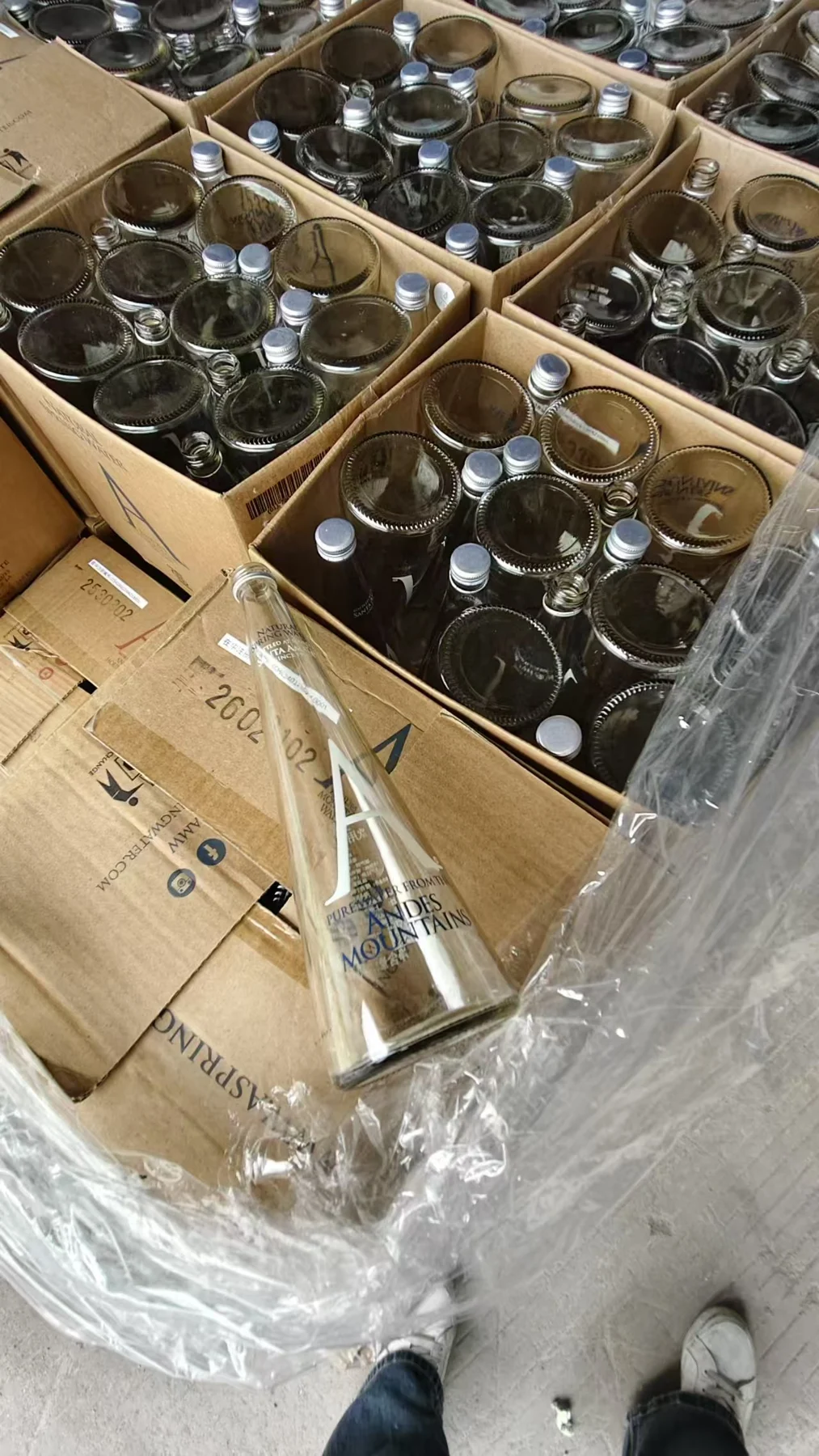
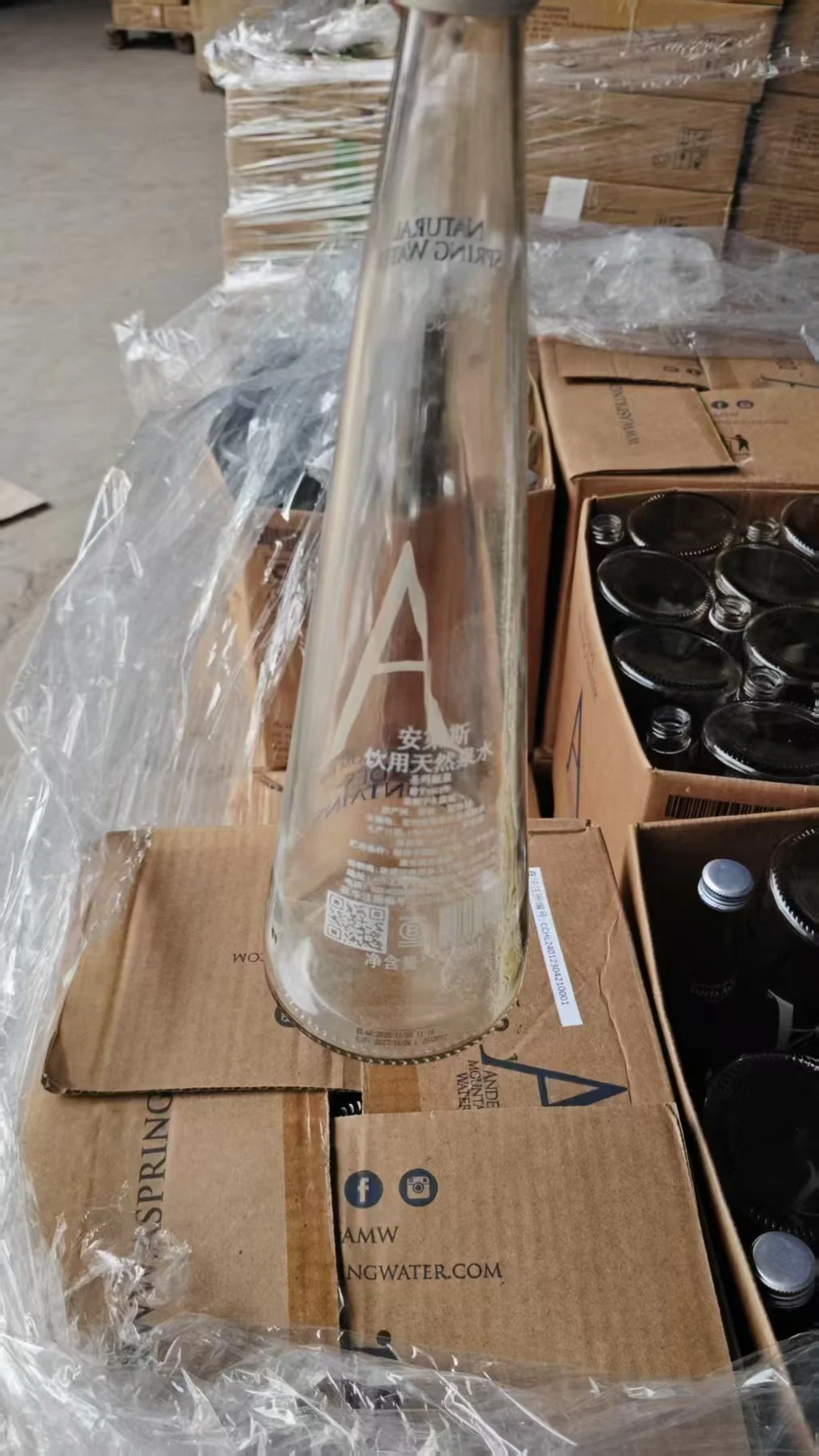
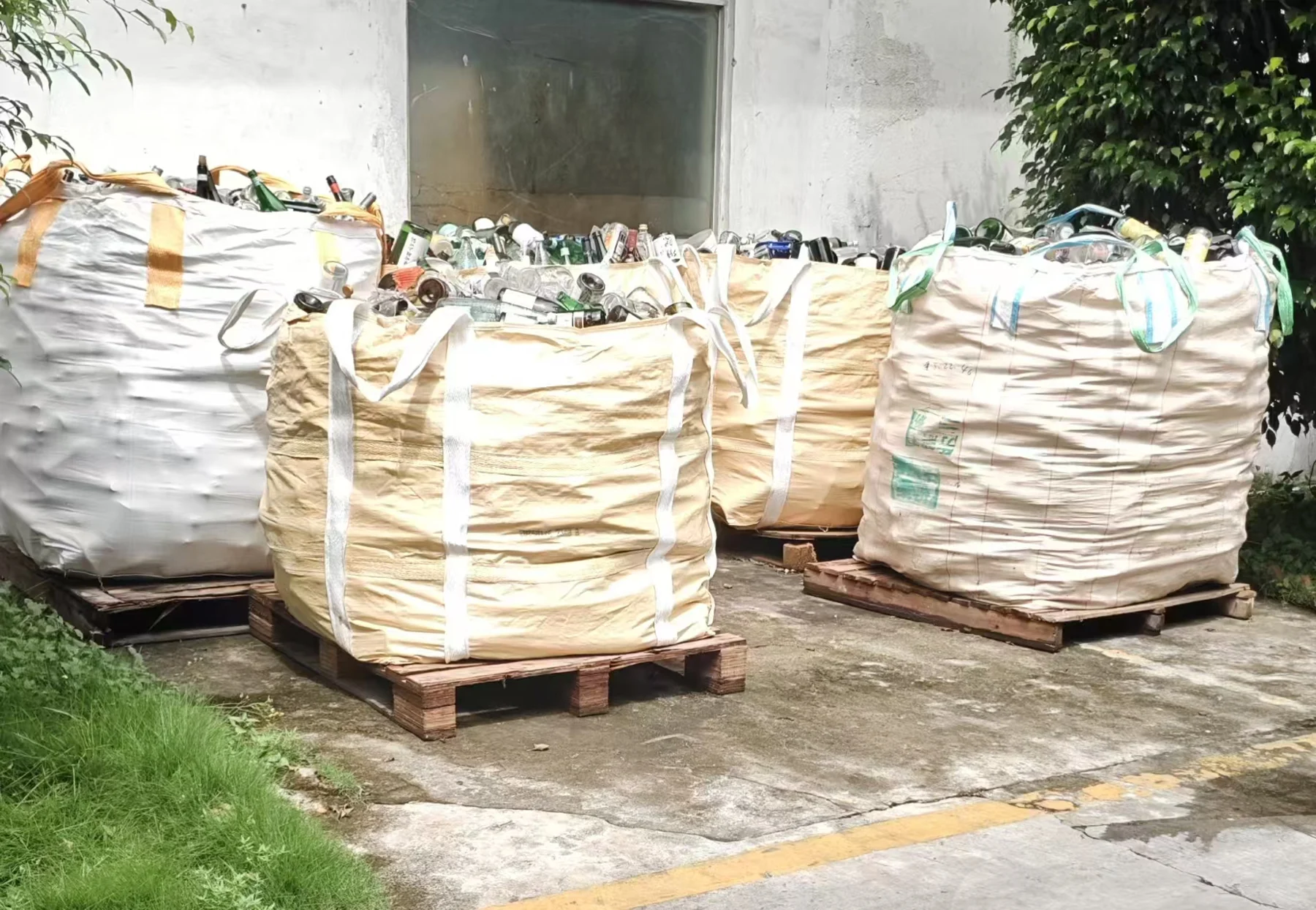
Project photographs: collected bottles, material inspection and factory storage.
Work with hotels and commercial sites to identify suitable used bottles, storage space and collection arrangements.
Separate the accepted glass stream, count or weigh incoming material, and record each handover.
Factory teams inspect and prepare recovered glass for use as cullet, the crushed glass added to a glassmaking batch.
Incorporate suitable PCR material into new glass products, with manufacturing and quality records documenting its use.
Across two hotels and two commercial districts, daily glass volumes differed and collection points were spread out. A workable recycling system needed to account for transport costs as well as storage and collection.
Each site handled several kinds of waste. Recovered glass needed a designated place to wait for pickup and a clear way for the logistics team to identify it.
Silas proposed providing dedicated, clearly labelled glass-collection bins at all four sites and coordinated their provision with BelleCraft's operational support.
Site staff could place the glass in the marked bins. The collection team could then identify the right material and collect the glass directly from the bins. One arrangement addressed storage, identification and handover.
Daily pickups would have been costly because the four sites were separated and generated different amounts of glass.
Silas observed the daily volume at each point, used those figures to assess collection options, and discussed the calculations and costs with the logistics company.
Together they settled on collection every three days. Silas designed the route around the locations of the four pickup points, linking them to the factory. The plan considered the cost of moving the glass alongside the environmental value of recovering it.
A collection agreement needs follow-through. A recycled-glass sample needs a customer's scrutiny. These exchanges show how both moved forward.
Turning a recycling proposal into a documented collection partnership.
Silas coordinated supplier documentation and proposed collection records and photographs as an alternative to sharing another hotel's contract.
The recycling agreement was emailed on 31 July. On 29 August, Silas followed up on the company-stamped copy sent earlier that month.
On 2 September, the hotel confirmed that its stamp had been added and the agreement sent back by courier.
“The contract was stamped today.”附件为“酒店进口玻璃水瓶回收协议”,请您查收!谢谢。English translationAttached is the agreement for recycling the hotel's imported glass water bottles. Please check the attachment. Thank you.
我们于8月16日把盖了我们公章的“进口玻璃水瓶回收协议”寄给您,我想了解一下酒店是否已经完成了盖章流程呢?English translationWe sent you the glass-water-bottle recycling agreement bearing our company stamp on 16 August. I would like to ask whether the hotel has completed its stamping process.
合同今天刚完成盖章English translationThe contract was stamped today.
The reply also confirmed that the agreement had been returned by courier.
Putting recycled-glass samples in front of a customer, then responding to the questions they raised.
On 5 August, Silas introduced a 5% PCR trial and proposed a comparison of bottles made with and without recycled glass.
In September, FP reported similar surface quality and clarity, then asked how the approach would apply to a heavy-base 100 mL fragrance bottle.
Silas explained the choice of trial product and continued the technical exchange, including an October follow-up sharing reports for regular, non-PCR glass.
“surface quality and clarity looked pretty much the same.”We are thrilled to inform you that we have successfully conducted a trial of incorporating 5% PCR glass into our products.
I compared the regular and PCR samples, surface quality and clarity looked pretty much the same.
Do you see the molding properties and end result being similar if this was done on a heavy base fragrance 100ml bottle?
We chose this product without considering that it is thin wall or thick wall, but just happened to be producing this product at the time of PCR testing.
Of course. Pls kindly find the attachments of Heavy Metal and REACH report on regular (non PCR) glass. Thanks.
The Penro5e presentation reports 233 tonnes of glass collected over three project years and engagement with two hotels and two commercial districts. These totals describe the wider collection operation supported by the company; they are not school-only collection figures or material handled by Silas alone.
The reported US$48,000 represents company proceeds after costs, as clarified by the project team. It is not income distributed to students or a confirmed Glass Circularity Fund balance.
The presentation also estimates 135 tonnes of CO₂ reduction, 304 MWh of energy savings and 280 tonnes of virgin raw-material displacement, using FEVE life-cycle data. These are modelled estimates from the presentation, not directly measured project savings.
Two PCR hotel visits and a separate urban-sociology field visit show a shared method: go to the setting, listen to the people there, and ask how everyday systems work.
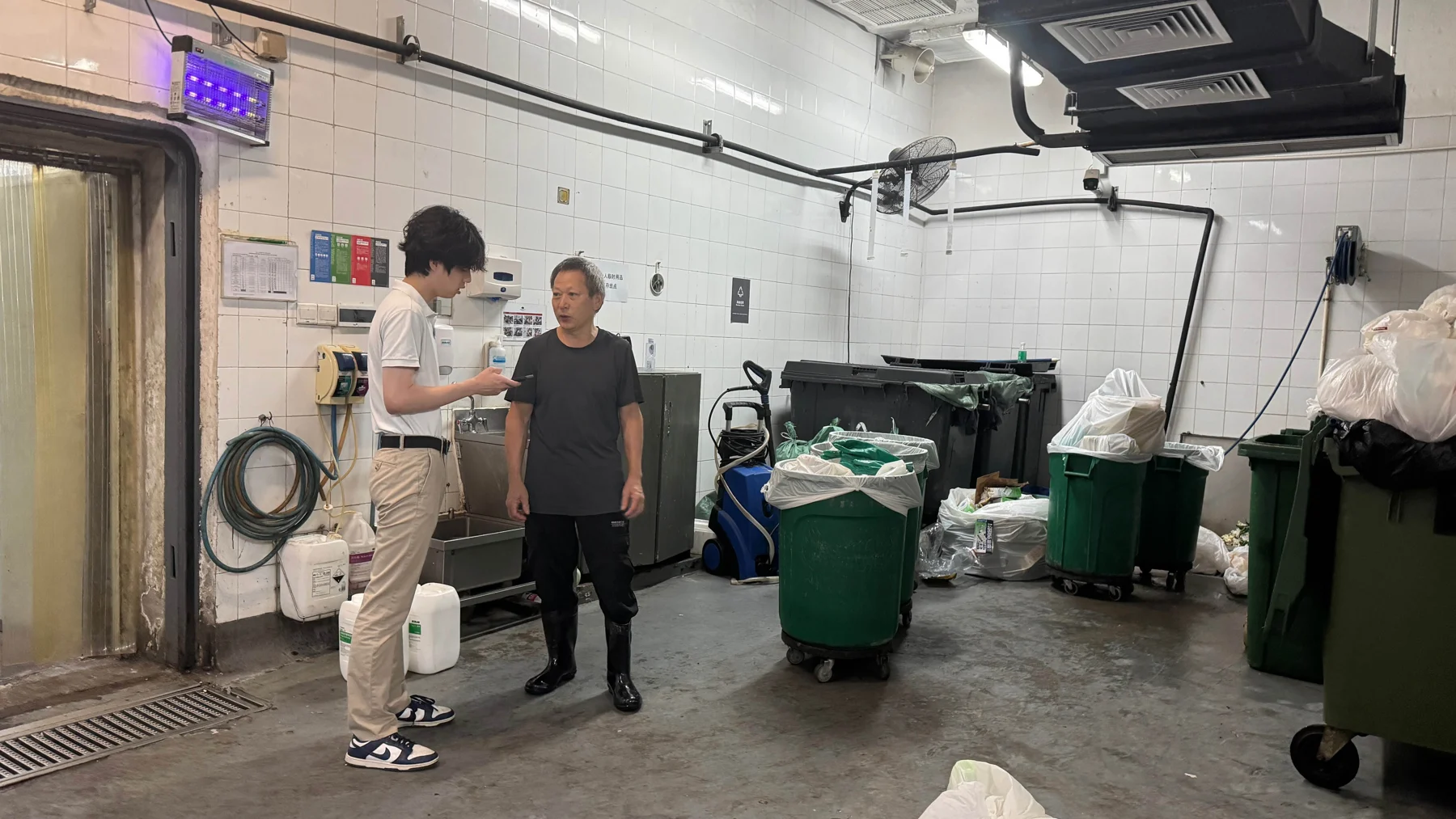
A visit to the hotel's back-of-house collection area to hear from staff involved in handling waste and recovered materials.
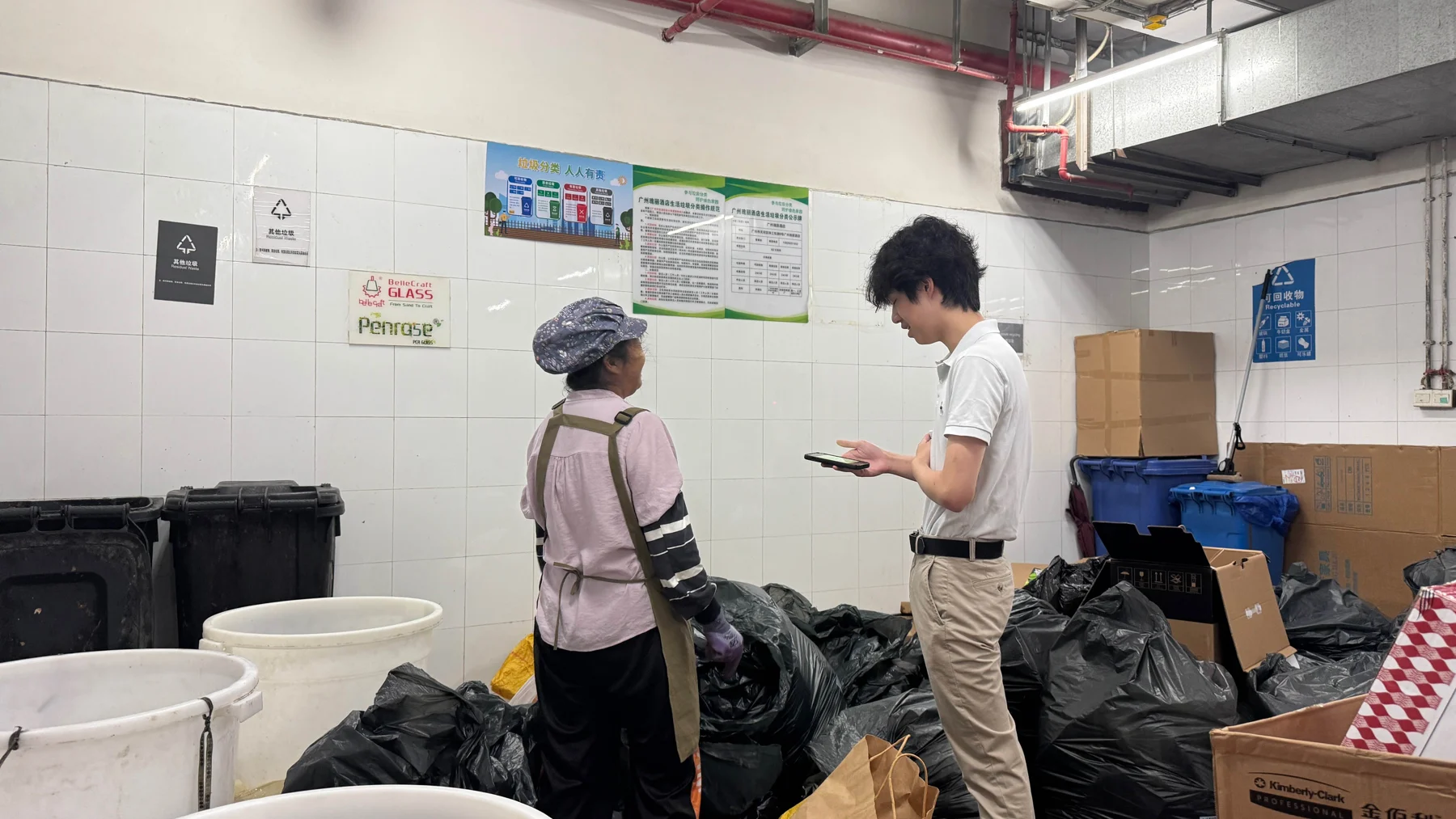
Conversations with people working within the collection system, extending the project beyond logistics to daily experience.
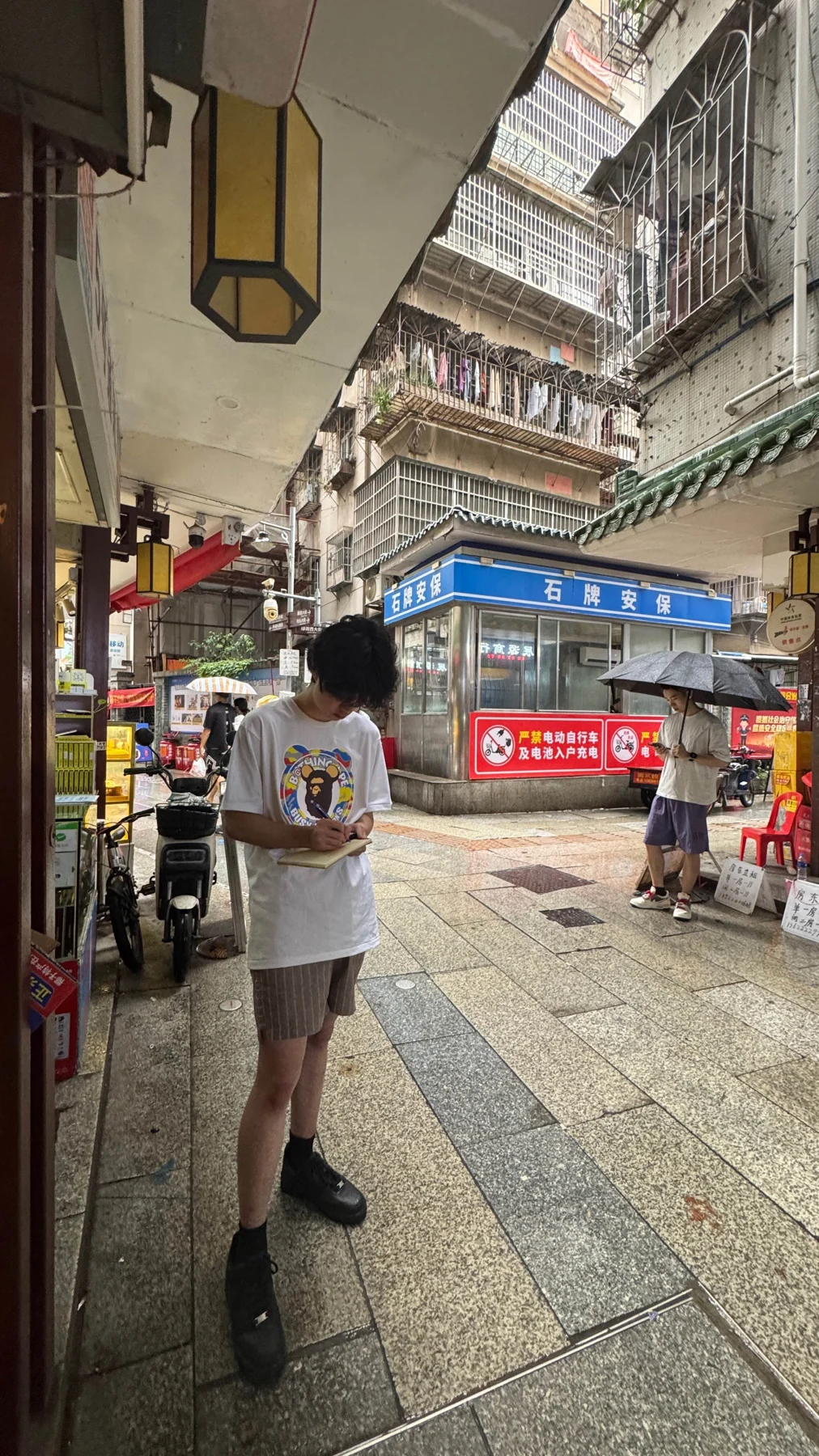
Listening in an urban village brings community organisation and everyday life into focus. This visit is presented alongside Silas's Pioneer research on Shipai Village, with its own research questions.
The PCR interviews involve four workers across two hotels. The urban-village study is a separate sociology project. Together they open questions about coordination, participation and whose experience is visible when a system is designed.
Explore the research connections ↗School activities combine a lesson on the second life of glass with questions, hands-on learning and conversations about participation.
An introduction to the journey of a glass bottle, with classroom discussion and interactive activities. The film documents the project team and students taking part.
Open original recordingA workshop with around 50 students, documented alongside 47 valid surveys, five student interviews and discussions with around 11 teachers and school representatives.
Open full activity recordingAt Huangcun, students expressed positive environmental attitudes. Practical sorting knowledge and confidence were less secure.
Only 11 of 47 students selected exactly the two bottle types accepted in the lesson's ordinary glass-recycling stream.
Huangcun pilot · 12 June 2026
47 valid surveys · mainly Grade 5
Mean scores on a 1–5 scale. Valid responses: bin confidence n=46; other indicators n=45. Missing responses excluded. Source: Huangcun ImpactTracking workbook, raw survey data.
This was a single-school pilot. A full matching post-activity survey was not collected, so the results are used as baseline and impact-tracking evidence. They do not establish a before-and-after improvement or long-term behaviour change.
| Indicator | Responses | Result |
|---|---|---|
| Had clear or some knowledge of glass recycling | 27 / 47 | 57.4% |
| Knew a bottle could become a new glass product | 35 / 47 | 74.5% |
| Correctly selected only the two suitable bottle types | 11 / 47 | 23.4% |
| Partially correct or confused about suitable items | 32 / 47 | 68.1% |
| Rated environmental benefit 4 or 5 | 32 / 45 | 71.1% |
| Rated willingness to participate 4 or 5 | 28 / 45 | 62.2% |
| Rated the fund incentive 4 or 5 | 31 / 45 | 68.9% |
The sample includes 43 Grade 5 and four Grade 2 responses. The classification question treats only perfume bottles and glass beverage bottles as fully correct for the collection stream taught in this activity. Different glass types may require separate specialist recycling routes.
Five open responses and five student interviews supplement the survey, together with feedback from around 11 teachers and school representatives. Student quotations are anonymised and reproduced from the interview manuscript, where some wording was lightly cleaned.
The low confidence score points toward simple bin labels, sorting demonstrations and repeated practice. Awareness needs an understandable way to act.
Teachers identified safety as their first concern, followed by management and a link to a recycler. Follow-up collection should be adult-supervised; children should not handle broken glass.
Students linked the proposed Glass Circularity Fund to school supplies, environmental activities and helping others. The fund remains a proposal needing clear purpose and oversight.
Immediate learning response
Huangcun interview manuscript
“I learned that glass can be recycled, but not all glass is recyclable.”
Hotel correspondence, collection agreements and 5% PCR sample outreach connect the idea to operational partners and customers.
The Lankou school activity makes glass recycling tangible through learning and participation.
The Huangcun workshop adds surveys and interviews to examine knowledge, confidence and practical barriers.
PCR hotel-worker interviews and separate urban-sociology fieldwork extend Silas's practice of listening in the places he studies.
Timeline distinguishes Silas's documented work from BelleCraft's earlier corporate recycling materials dated 2023.
Penro5e sits within a wider body of work about participation: how a community coordinates, how a family learns, and how a design makes an environmental action easier.
Silas's Shipai Village study examines informal coordination, digital infrastructure and internal inequality. It takes everyday community arrangements as a subject of research in their own right.
The connection to Penro5e A useful lens for asking who coordinates a recycling system, who can participate, and whose experience is overlooked.
A study of reverse environmental socialisation explores how children may influence adults' recycling behaviour. Silas reviewed eight studies, built a systems model and designed an interview instrument for parents and grandparents.
The connection to Penro5e The school workshops create a practical reason to ask what children might carry home from a lesson, and how adults respond.
Family interviews and measured changes in household behaviour are not reported here.
In a separate microplastics laundry-filtration project, Silas led a five-person team through three prototypes. In the team's reported prototype tests, leakage decreased from 120 mL to 0 mL and cleaning time from four minutes to one minute.
Its connection is a design habit shared with Penro5e: identify a practical barrier, change the system, and check what improves. These are prototype results, not glass-recycling outcomes.
Selected project posts written by Silas and published through BelleCraft Glass. The original screenshots preserve the wording of each post.
The name links an initial 5% recycled-glass ambition with continuous improvement and the possibility of going further.
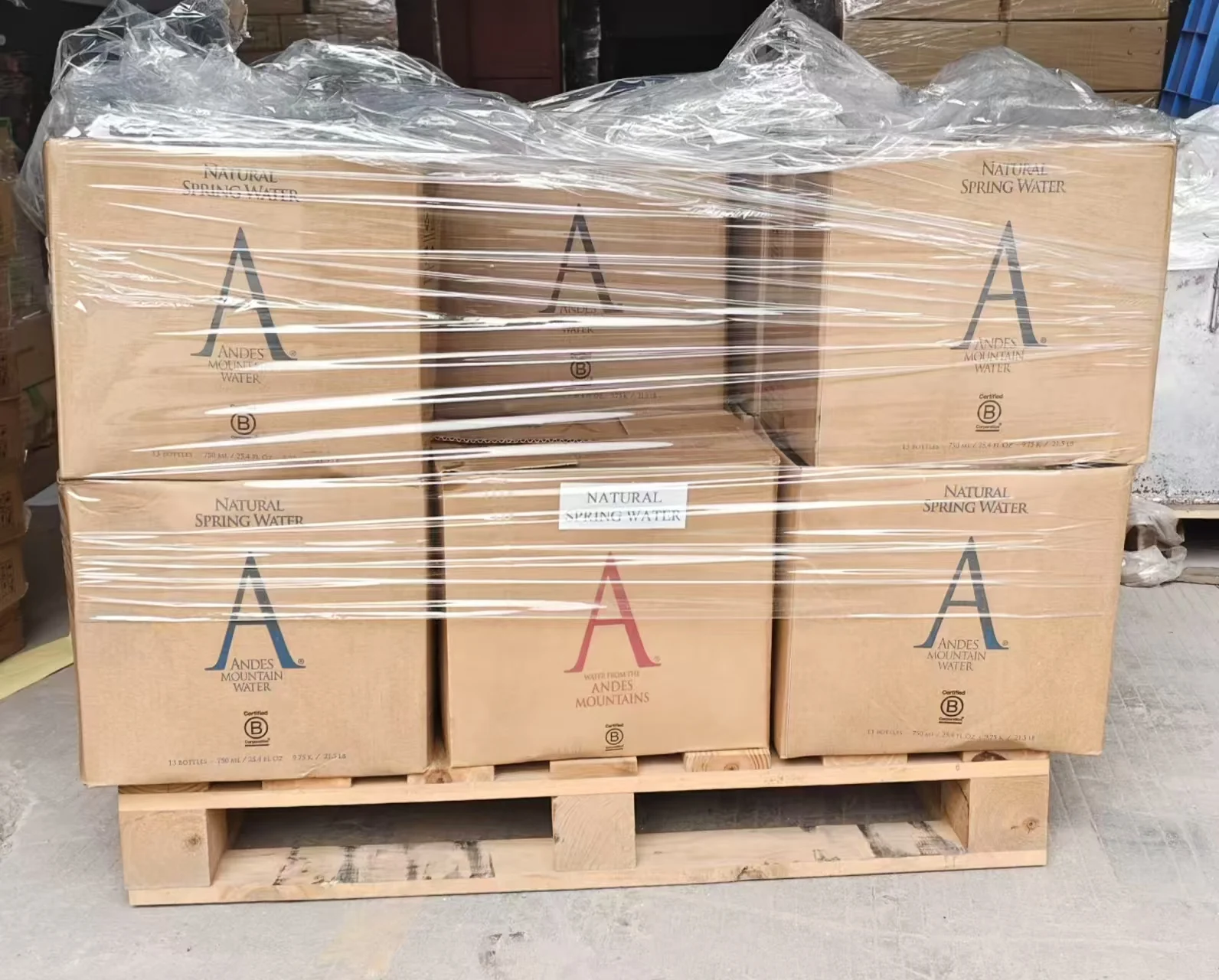
A project update announces the collection of used glass water bottles from Rosewood Hotel Guangzhou for manufacturing reuse.
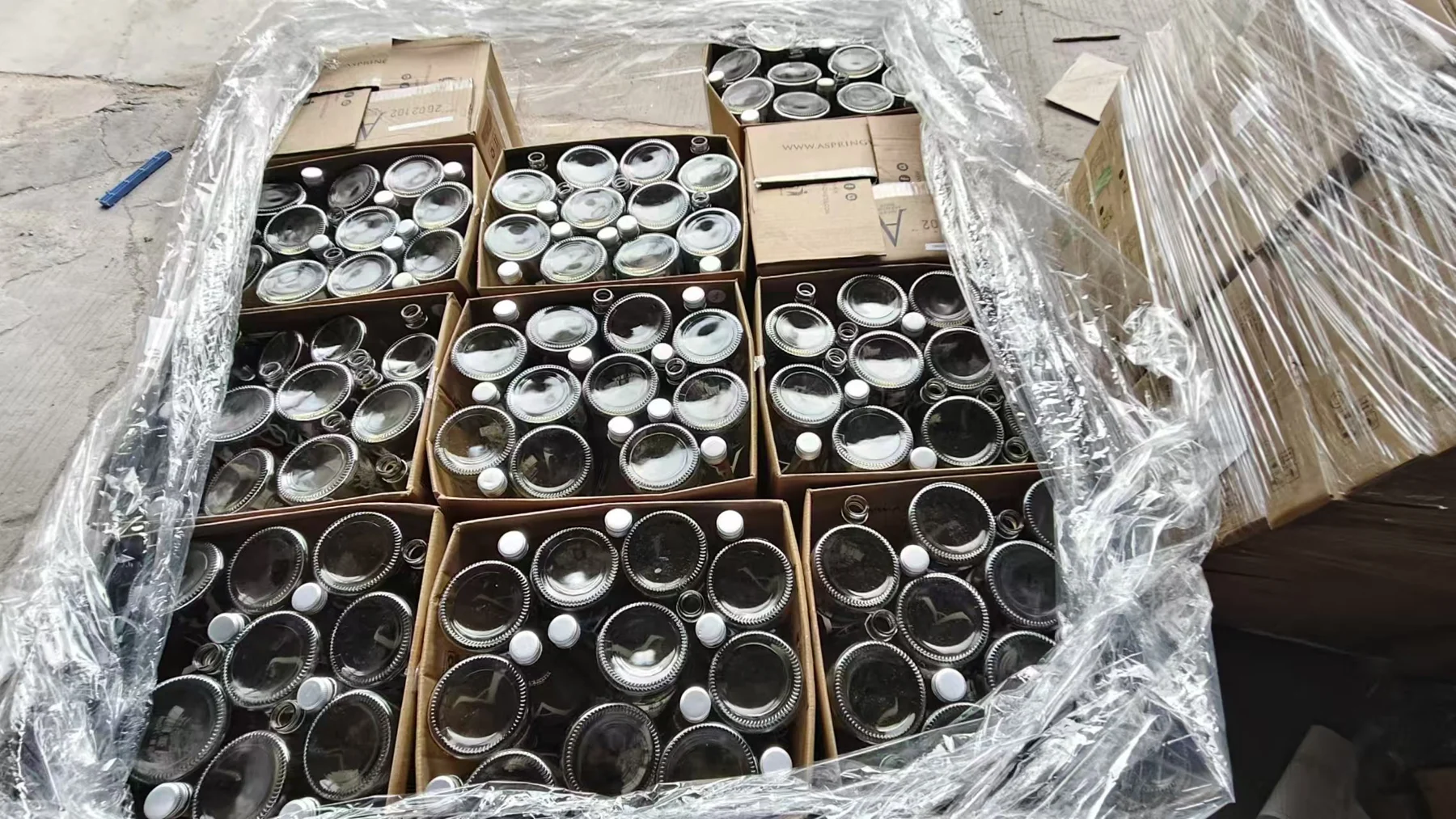
Documenting a collection partnership and the effort to bring more participants into the glass-recycling loop.
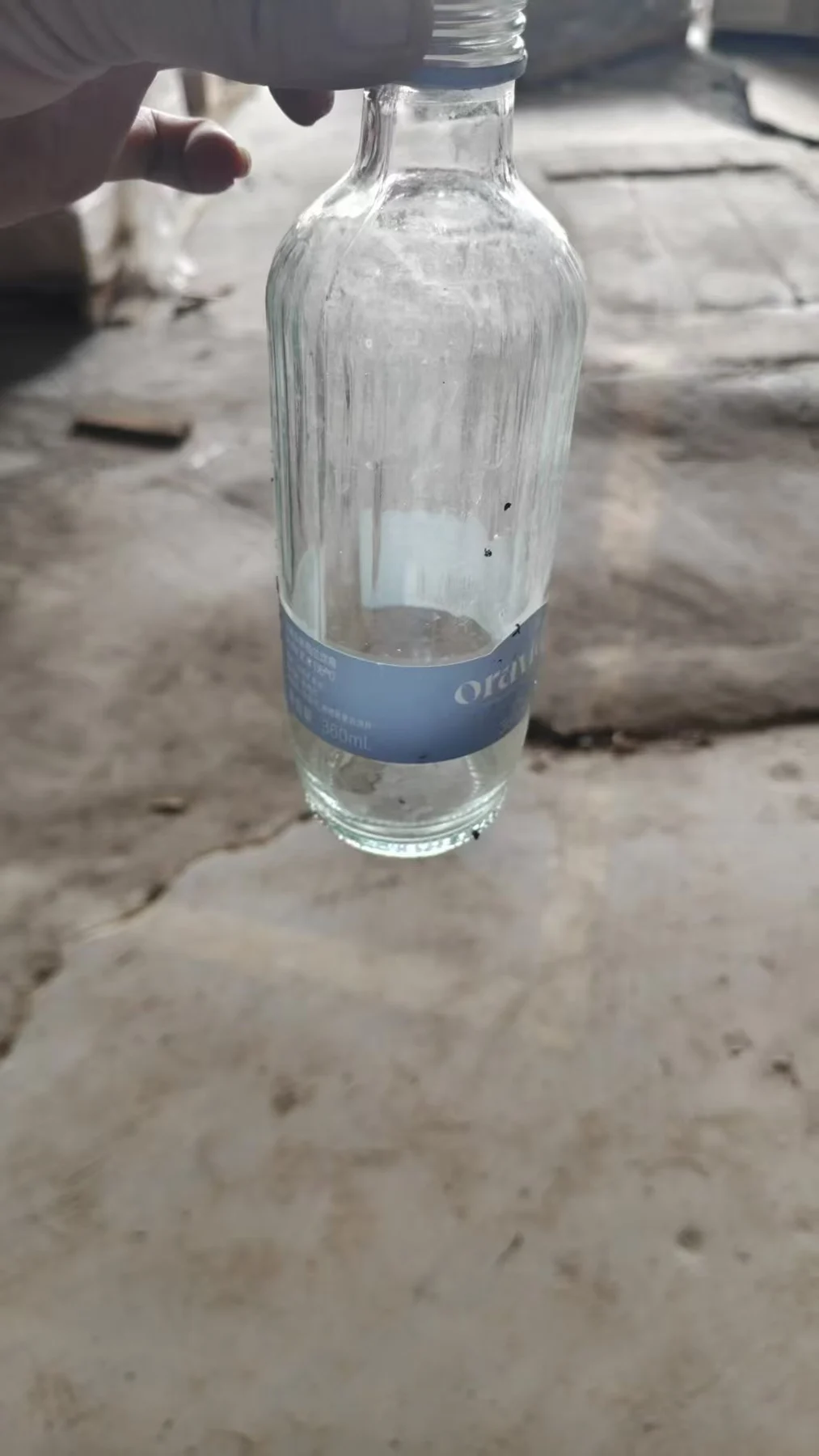
An Earth Day message introduces the integration of post-consumer recycled glass into products.